
Educational and Psychological Counseling
A Brief Summary about the Educational and Psychological Counseling Department
The Department of Educational and Psychological Counseling was established within the College of Education at Salahaddin University in the academic year 1985–1986. At its inception, 76 students enrolled most of whom were teachers from the Ministry of Education. The name of the department originally was (Education and Psychology) which held the distinction of being the oldest department in the Kurdistan region of Iraq. The message of this department was to prepare the graduates to serve within the ministry of education and they became employed after finalizing a month-long course as educational guidance. Every year, a group of undergraduate students along with teachers from the ministry of education were enrolled in the department; this attempt not only increased the level of students but also alleviated the ministry’s burden of employment, given that many students were already educators and employee within the ministry.
In 2000, for the first time post graduate studies including Master studies were announced in this department since that time , there have been (17 ) rounds of MA and (9) rounds of PhD programs, further enriching its academic landscape. During (2010-2011), the name of the department was changed to (Educational Sciences) which included two major branches entitled, the educational and psychological counseling branch, at the request and demand of the ministry of education at that time and the special education branch, at the request and demand of the KRG’s Parliament. It is worth mentioning that the first group of graduates from (special education) were employed in 2017 by the ministry of education as a motivation for them. Later on, both branches separated from each other and became two major and different departments, until now students’ enrollment and graduation in this department are in progress.
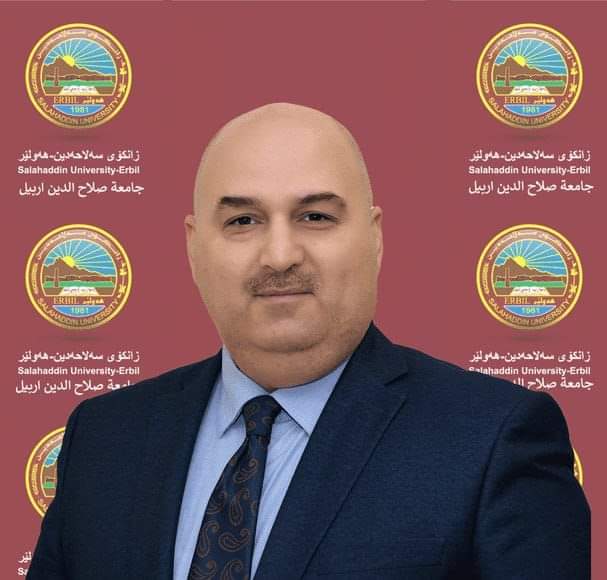
Assistant Professor Dr. Waleed Khalid Abdulkareem Baban
Work place: University of Salahaddin / College of Education
Position : Head of the Department of Educational and Psychological Counseling
E-mail: [email protected]
Mobile : +964 7501927740 & +964 7725253769
Education
- (B.Sc. General Psychology), Faculty of Arts Mustansiriyah University / Psychology Dep Baghdad - Iraq. 2005
- ( M. Sc.in Social Psychology). Faculty of Arts Mustansiriyah University / Psychology Dep Baghdad - Iraq. 2009
- (Ph. D in Educational and Psychological Measurement and Evaluation). Baghdad University Dep / Baghdad - Iraq. 2015
General Specialization: Educational Psychology.
Specific Specialization: Educational and Psychological Measurement and Evaluation.
"To provide comprehensive and specialized support and guidance to students at the College of Education, aimed at developing their academic, personal, and social capabilities, enhancing the realization of their full potential, and empowering them to succeed in their academic and professional paths."
Vision"To be a leading center in the field of educational and psychological counseling at the College of Education, where we strive to provide a supportive and motivating environment that helps students excel academically and grow personally. We actively contribute to building a bright future for them and society by developing influential and creative leaders in the fields of psychological counseling, education, and society.
Certainly! Undergraduate students graduating from the Department of Educational Guidance are prepared to play significant roles in both society and individual development. Here are several key points outlining the services they offer, potential workplaces, and expected learning outcomes:
Services Offered to Society and Individuals
- Psychological and Educational Counseling
- Academic Guidance and Support
- Behavioral Interventions
- Family and Social Counseling
- Community Awareness Programs
- Special Needs Support
Help individuals cope with emotional, behavioral, academic, and social challenges.
Provide guidance to students, parents, and teachers on mental health and personal development.
Assist students in setting educational goals, choosing career paths, and overcoming learning difficulties.
Develop strategies to address behavioral problems in school settings or among youth.
Provide support in improving family communication, resolving conflicts, and strengthening relationships.
Organize workshops, campaigns, and seminars on topics like bullying, self-esteem, addiction prevention, and emotional intelligence.
Work with children and individuals with disabilities to help them integrate into educational and social environments.
Degree Program Overview
The Department of Psychological and Educational Counseling is committed to equipping graduates at all levels—Bachelor’s, Master’s, and Doctorate—with the knowledge, skills, and practical experiences needed to excel in a wide range of career paths. Our graduates are well-prepared for roles in academia, clinical practice, education, government, and community services, with a strong focus on advancing mental health, educational support, and societal well-being.
Bachelor of Science (B.Sc.) in Psychological and Educational CounselingGraduates of the B.Sc. program possess foundational knowledge and practical skills that open doors to a variety of career opportunities:
Career Paths:
- School Counseling: Providing academic, social, and emotional support to students in primary and secondary education settings.
- Community Mental Health Services: Assisting individuals and families in accessing mental health resources and support.
- Youth and Family Support Centers: Offering guidance and intervention services to vulnerable populations.
- Social Service Agencies and NGOs: Supporting programs related to mental health, rehabilitation, and social welfare.
- Educational and Training Institutions: Roles in awareness campaigns, training workshops, and peer counseling programs.
- Government and Policy Organizations: Contributing to mental health policy development, program evaluation, and community outreach.
Skills for Employability:
- Competency in counseling techniques and psychological assessment tools.
- Strong interpersonal and empathetic communication skills to engage effectively with diverse clients.
- Analytical and problem-solving abilities to design and implement intervention strategies.
- Ethical decision-making and cultural sensitivity in professional practice.
Master of Science (M.Sc.) in Psychological and Educational Counseling:
M.Sc. graduates are highly sought after for specialized roles that require advanced knowledge, research experience, and clinical skills:
Career Paths: :
- Clinical and Counseling Centers: Providing individual, group, and family therapy for mental health and behavioral issues.
- Educational Leadership: Designing and implementing school-based mental health and counseling programs.
- Research Institutions: Conducting applied or theoretical research in counseling psychology, mental health, and educational interventions.
- Government and Public Health Agencies: Developing policies and programs to promote mental well-being and support vulnerable populations.
- Non-Governmental Organizations (NGOs): Leading community mental health initiatives and social support programs.
- Higher Education: Teaching at universities and supervising undergraduate or graduate research projects.
- Consultancy and Training: Offering professional development and workshops in counseling techniques and mental health awareness.
Postgraduate Studies
Department of Psychological and Educational Counseling at Salahaddin University-Erbil
The postgraduate program (Master's and potentially Ph.D., depending on the institution) in Psychological and Educational Counseling aims to deepen students' theoretical understanding and professional expertise in the fields of mental health, educational development, and counseling interventions. The program prepares graduates to become advanced practitioners, researchers, supervisors, and policy advisors in counseling and educational settings.
Program Offerings
Department of Psychological and Educational Counseling
The Department of Psychological and Educational Counseling provides academic programs designed to prepare students for professional careers in counseling, education, mental health, and social support services. These programs blend theoretical knowledge with practical training, ensuring that graduates are well-equipped to meet individual and community needs.
Focus Areas:
- Individual Counseling
- Educational Counseling
- Group Counseling and Therapy
- Family and Child Counseling
- Career Guidance and Vocational Counseling
- Psychological Assessment and Testing
- Mental Health and Psychopathology
- Special Education and Inclusion Counseling
- Crisis Intervention and Trauma Counseling
- Ethics and Professional Practice
- Master of Science (M.Sc.) in Biology
- Molecular Biology
- Microbiology
- Physiology
- Zoology
- Botany
- Specialized Subfields
- Coursework (60 ECTS): Advanced topics in biology tailored to the student's area of specialization.
- Research Thesis (60 ECTS): An independent research project culminating in a thesis defense.
- Demonstrate advanced knowledge in their chosen field of biology.
- Design, conduct, and analyze biological research using appropriate methodologies.
- Communicate scientific findings effectively in written and oral formats.
- Apply critical thinking to address biological problems.
- Work independently and collaboratively in research settings.
- Doctor of Philosophy (Ph.D.) in Biology
- Advanced Coursework (30 ECTS): Topics tailored to support the research project.
- Research and Dissertation (150 ECTS): Original research culminating in a dissertation and defense.
- Conduct independent, original research that contributes to the body of knowledge in biology.
- Demonstrate expertise in a specialized area of biology.
- Publish research findings in peer-reviewed journals.
- Exhibit advanced problem-solving and critical-thinking skills.
- Lead research projects and mentor junior researchers.
- Bachelor’s degree in biology or a closely related field.
- Minimum academic performance by university regulations.
- Proficiency in English (demonstrated through tests like IELTS or TOEFL).
- Successful performance in the entrance exam and interview.
- Master’s degree in biology or a related discipline.
- Proven research experience, preferably with publications in scientific journals.
- Submission of a detailed research proposal aligned with the department’s expertise.
- Proficiency in English (demonstrated through tests like IELTS or TOEFL).
- Successful performance in the entrance exam and interview.
ECTS Distribution:
The program is structured to include 120 ECTS over two academic years:
Coursework (60 ECTS): Advanced topics in psychological and educational counseling tailored to the student's area of specialization. These may include individual and group counseling techniques, psychological assessment, mental health and psychopathology, counseling ethics, and research methodologies.
Research Thesis (60 ECTS): An independent research project in the field of counseling, culminating in a thesis defense. The thesis demonstrates the student’s ability to apply theoretical knowledge to real-world psychological or educational issues through systematic investigation.
Program Offerings
The M.Sc. program is designed to provide students with advanced theoretical knowledge and practical research skills in various biological disciplines. The program emphasizes coursework and research to prepare students for academic, industrial, or governmental careers in biology.
Focus Areas:ECTS Distribution:
The program is structured to include 120 ECTS over two academic years:
Learning Outcomes:
Graduates of the M.Sc. program will:
The Ph.D. program focuses on original research contributions to the field of biology, aiming to develop experts capable of advancing biological sciences through innovative and impactful research.
Specialization Areas:Students work closely with faculty mentors to focus on a specific research area within biology, such as genetics, ecology, or biochemistry.
ECTS Distribution:The Ph.D. program requires 180 ECTS, typically completed over three to four years:
Graduates of the Ph.D. program will:
The department has modern laboratories, research tools, and computational resources to support postgraduate students’ academic journeys. Collaborative opportunities with national and international institutions are also available, encouraging interdisciplinary research and innovation.
The postgraduate programs are designed to empower students to become leaders in their respective fields, whether in academia, industry, or public service and contribute meaningfully to advancing biological sciences.
Program learning outcome
Graduates of the M.Sc. program will:
- Demonstrate comprehensive and advanced understanding of psychological and educational counseling theories, techniques, and practices.
- Apply evidence-based counseling approaches to support individuals, groups, and families in educational and clinical settings.
- Design and implement research projects relevant to psychological and educational issues, using appropriate scientific methods and ethical standards.
- Critically evaluate psychological assessments and interventions to enhance client well-being and educational outcomes.
- Communicate effectively with clients, colleagues, and stakeholders through professional writing and oral presentations.
- Exhibit professional integrity, cultural competence, and ethical responsibility in counseling practice.
- Collaborate effectively in interdisciplinary teams to address complex psychological, emotional, and educational challenges.
- Contribute to the development of counseling services and mental health programs through innovation, leadership, and continuous learning.
Course catalog
Coming Soon
Admissions
The Department of Psychological and Educational Counseling offers two types of study options to ensure accessibility and flexibility for prospective students, depending on their individual circumstances:
Zankoline (Government-Funded) Study Description: This option provides free tuition for students who qualify and are accepted through the general centralized admission system, known as "Zankoline." Eligibility:Applicants must meet the academic requirements set by the Ministry of Higher Education and Scientific Research.
Admission is competitive and based on high school performance, especially in relevant subjects such as psychology, education, and social sciences.
Benefits:
- Exemption from tuition fees.
- Full access to university services and facilities, including counseling labs, libraries, and academic support.
Description: This option enables students who are not accepted through the Zankoline system to pursue their studies by paying tuition fees.
Tuition Fee: 3,000,000 IQD per year.
Eligibility:
- Students must meet the minimum academic requirements for admission to the Psychological and Educational Counseling program.
- This track provides additional opportunities for students who may not meet the centralized admission (Zankoline) criteria but demonstrate academic potential.
Benefits:
- Full access to the same high-quality education, faculty, resources, and university facilities as Zankoline students.
- Flexibility to pursue academic goals without being restricted by centralized admission quotas.
Senior students and alumni mentor junior students, sharing experiences and advice to assist with academic and career decisions.
Graduate Employability
The Department of Psychological and Educational Counseling is committed to equipping graduates at all levels—Bachelor’s, Master’s, and Doctorate—with the knowledge, skills, and practical experiences needed to excel in a wide range of career paths. Our graduates are well-prepared for roles in academia, clinical practice, education, government, and community services, with a strong focus on advancing mental health, educational support, and societal well-being.
Bachelor of Science (B.Sc.) in Psychological and Educational CounselingGraduates of the B.Sc. program possess foundational knowledge and practical skills that open doors to a variety of career opportunities:
Career Paths:
- School Counseling: Providing academic, social, and emotional support to students in primary and secondary education settings.
- Community Mental Health Services: Assisting individuals and families in accessing mental health resources and support.
- Youth and Family Support Centers: Offering guidance and intervention services to vulnerable populations.
- Social Service Agencies and NGOs: Supporting programs related to mental health, rehabilitation, and social welfare.
- Educational and Training Institutions: Roles in awareness campaigns, training workshops, and peer counseling programs.
- Government and Policy Organizations: Contributing to mental health policy development, program evaluation, and community outreach.
The Department of Psychological and Educational Counseling provides a supportive environment for both academic and applied research. Faculty members are engaged in a wide range of research areas, including mental health, school counseling, trauma intervention, emotional well-being, educational development, and multicultural counseling. The department emphasizes evidence-based practices and socially responsive research that address real-world psychological and educational challenges.
Research Projects:
Involvement in ongoing research on counseling methods, psychological assessment, or educational interventions.
•Government and Health Organizations:
Internships in public health departments or government agencies focusing on mental health policy, program development, and health promotion.
Research Projects:
Involvement in ongoing research on counseling methods, psychological assessment, or educational interventions.
•Government and Health Organizations:
Internships in public health departments or government agencies focusing on mental health policy, program development, and health promotion.
Practical Skill Development:
Internships provide opportunities for students to apply counseling theories and techniques, develop assessment skills, and gain experience in client interaction and case management.Academic Advising
The Department of Psychological and Educational Counseling is committed to supporting students throughout their academic journey by providing comprehensive academic advising services. These services ensure that students receive tailored guidance to achieve their educational goals and professional aspirations while maintaining academic success.
Internship Opportunities
The Department of Psychological and Educational Counseling actively promotes professional growth by offering diverse internship opportunities. These placements enable students to gain hands-on experience in real-world settings, bridging the gap between theoretical learning and practical counseling practice.
Benefits of Internships
Practical Skill Development:Internships provide opportunities for students to apply counseling theories and techniques, develop assessment skills, and gain experience in client interaction and case management.
Career Exploration: Students learn about various career paths within counseling, such as clinical, school, community, or organizational counseling, helping them make informed career decisions. Professional Networking:Internships facilitate connections with licensed counselors, psychologists, educators, and mental health professionals, opening doors for future employment.
Enhanced Employability:Work experience strengthens graduates’ resumes, demonstrating readiness and competence to potential employers.
Academic Credit:Many internships count toward program requirements, integrating practical experience into academic progress.
Career Services
The Department of Biology is dedicated to providing comprehensive career services to assist students in their professional development. These services are intended to assist students in pursuing their career objectives, regardless of whether they intend to pursue graduate studies, enroll in the workforce, or investigate entrepreneurial opportunities. Career services provide students with the skills, resources, and insights to navigate the job market effectively.
Key Career Services Offered
- Career counseling and advice: Students obtain personalized career counseling sessions to assist them in identifying their strengths, interests, and potential career paths in biology, biomedical sciences, healthcare, research, and related industry sectors. Advisors offer advice on postgraduate study opportunities, career planning, and job search strategies.
- Workshops and Seminars: The department performs workshops and seminars on various topics, including interview preparation, networking skills, job market trends, and resume and cover letter writing.
- These sessions help students build confidence and gain practical knowledge for the job search process.
- Job Placement Assistance: The department partners with local hospitals, laboratories, research institutions, biotechnology firms, and environmental agencies to promote the connection between students and potential employers. Support for employment placement encompasses the dissemination of job postings, apprenticeship opportunities, and recruitment events.
- Career Fairs and Networking Events: The annual career fairs allow students to network with potential employers, receive insight into various career paths, and investigate career possibilities. Alumni, industry professionals, and faculty members are allowed opportunities to establish professional relationships through interaction at networking events.
- Graduate School Guidance: Supporting students who intend to be enrolled in M.Sc. or Ph.D. programs in biological sciences, including research proposal development, personal statement composition, and graduate school applications. Information sessions regarding opportunities for higher education on a local and international scale.
- Entrepreneurship Support: Career services offer resources on business planning, funding opportunities, and innovation in biosciences to students interested in establishing their businesses—collaboration with university entrepreneurship programs and local business incubators.
Benefits of Career Services
- Enhanced Employability: Students with strong resumes, interview skills, and professional connections are better prepared to enter the job market.
- Tailored Guidance: Personalized advising ensures each student receives support that is aligned with their unique goals.
- Industry insights: exposure to current trends and expectations in biology-related careers helps students stay competitive.
- Confidence and Readiness: Practical training and resources build confidence in students’ ability to pursue their desired careers.
The Department of Psychological and Educational Counseling is committed to providing comprehensive career services to support students’ professional growth and success. These services help students pursue diverse career paths, whether in clinical counseling, educational settings, community services, research, or entrepreneurial ventures. Career services equip students with the skills, resources, and insights needed to navigate the counseling job market effectively.
Key Career Services OfferedCareer Counseling and Advice: Students receive personalized counseling sessions to explore their strengths, interests, and career opportunities in counseling, psychology, education, mental health services, and related fields. Advisors provide guidance on postgraduate education, licensure requirements, career planning, and job search strategies.
Workshops and Seminars: The department hosts workshops on interview preparation, networking, resume and cover letter writing, ethical practice, and current trends in counseling professions. These sessions help students gain confidence and practical skills for career advancement.
Job Placement Assistance: The department collaborates with mental health clinics, schools, NGOs, government agencies, and private practices to connect students with job openings, internships, and practicum opportunities. Support includes sharing job postings, organizing recruitment events, and facilitating employer engagement.
Career Fairs and Networking Events: Annual career fairs and networking events provide students with opportunities to interact with potential employers, alumni, and professionals from the counseling and educational fields, fostering relationships that support career development.
Graduate School Guidance: For students aiming to pursue advanced degrees (M.Sc. or Ph.D.) in counseling, psychology, or education, career services offer assistance with research proposals, personal statements, application processes, and information on local and international graduate programs.
Entrepreneurship Support: Resources and workshops are available for students interested in launching private counseling practices, consulting firms, or community programs. Collaboration with university entrepreneurship initiatives and local business incubators supports innovative counseling-related ventures.
Benefits of Career Services:Enhanced Employability: Students develop polished resumes, strong interviewing skills, and valuable professional networks, improving their job market readiness.
Tailored Guidance: Individualized advising ensures that career support aligns with each student’s unique goals and aspirations.
Industry Insights: Exposure to current counseling trends, licensure requirements, and workforce expectations keeps students competitive.
Confidence and Readiness: Practical resources and professional development activities boost students’ confidence to pursue fulfilling counseling careers.
Contact us
coming soon