
Biology
The Department of Biology at the College of Education, Salahaddin University-Erbil, has a proud academic history that dates back to the academic year 1979–1980, when the college was first established in Sulaymaniyah City. Initially, the College of Education comprised two main departments: Chemistry and Biology, and Physics and Mathematics.
The Biology Department has been central to the college’s mission of preparing skilled teachers and researchers in the biological sciences. It has continuously developed its curriculum to meet the demands of modern education. In the academic year 1987–1988, the department began offering postgraduate programs, marking a significant milestone in its academic evolution.
The program aims to equip graduates with the knowledge and skills necessary to pursue careers in teaching, scientific research, and educational leadership. It also provides a strong foundation for postgraduate studies and contributions to the scientific and educational development of the Kurdistan Region.
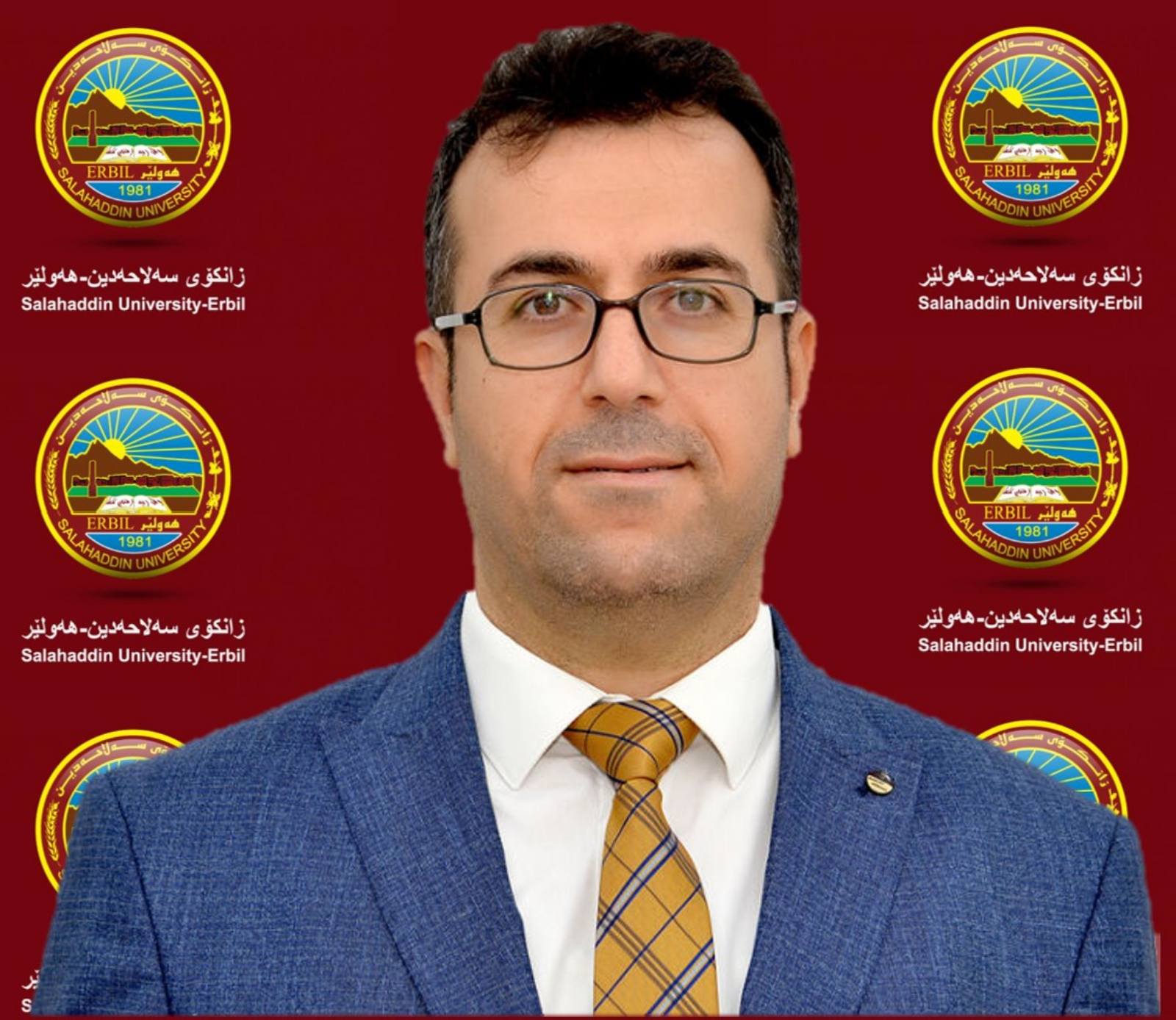
Dr. Sevan Omar Majeed
My main expertise is in Genetics and molecular biology, especially in bioinformatics, in the context of resolving data from next-generation sequencing (NGS). I have experience in laboratory-based molecular biology (human and microbes) and also experience in phylogenetic analysis. I have experience in methods such as DNA/RNA extraction, Gene Expression, Next-Generation sequencing, PCR, RT-qPCR, SDS-PAGE, and Western Blotting.
The Biology Department is committed to preparing knowledgeable, skilled, and dedicated biology educators who can effectively teach and inspire future generations. By integrating strong theoretical foundations with hands-on teaching practices, we aim to equip our graduates with the tools needed to address educational, environmental, and societal challenges at both local and global levels. Our mission is to foster a new generation of teachers who promote scientific thinking, educational innovation, and community development.
VisionTo be a leading center for excellence in biology teacher education, recognized for our commitment to academic quality, educational innovation, and meaningful engagement with schools and communities. The department envisions cultivating a dynamic learning environment that supports lifelong learning, environmental awareness, and the advancement of science education for the betterment of society.
Graduates from the Department of Biology will:
- Demonstrate a comprehensive understanding of biological concepts at the molecular, cellular, organismal, and ecological levels, suitable for effective teaching.
- Apply scientific and educational principles to design and deliver biology lessons that meet curriculum standards.
- Organize and lead laboratory activities to support students’ understanding of biology through hands-on experience.
- Use modern teaching tools and biological technologies to create interactive and engaging classroom environments.
- Model ethical conduct in scientific and educational contexts, promoting honesty and responsibility among students.
- Communicate biological knowledge clearly to students using appropriate teaching methods and language.
- Pursue careers as biology teachers in schools and educational institutions, promoting science education and public awareness of health and environmental issues.
- Commit to lifelong learning and professional development to stay updated with advances in biology and teaching methods.
Partnerships
Coming Soon
Degree Program Overview
Biology Department – College of Education, Salahaddin University-Erbil
Degree Program Overview
The Biology Department at the College of Education, Salahaddin University-Erbil, offers a comprehensive four-year Bachelor of Science (B.Sc.) program in Biology. This program is designed to provide students with a solid foundation in biological sciences, integrating both theoretical knowledge and practical skills to prepare graduates for careers in education, research, and related fields.
The undergraduate curriculum encompasses a wide range of biological disciplines, and it has been reorganized into five main fields, each including several subjects:
- Zoology (Invertebrates, Animal Physiology, Entomology, Chordates, Histology, Embryology, Cell Biology)
- Botany (General Botany, Phycology, Plant Taxonomy, Plant Anatomy, Plant Physiology)
- Molecular Bioscience (Genetics, Molecular Biology)
- Microbiology (Mycology, Bacteriology, Parasitology, Virology, and Immunology)
- Environmental Sciences (Ecology, and Pollution)
In addition to the core scientific subjects, the curriculum also includes a range of educational subjects to support teaching competencies:
- Kurdology
- General English and English for Specific
- General Psychology
- Adolescent Psychology
- Growth Psychology
- Computer Skills
- Academic Debate
- Training as a Teacher
- Viewing in Schools
- Evaluation and Curriculum
Students engage in both lectures and laboratory sessions, ensuring a balanced approach to learning that emphasizes the application of scientific concepts in real-world scenarios.
Postgraduate Studies
The Biology Department at the College of Education, Salahaddin University-Erbil, is actively engaged in scientific research across a wide range of biological fields. Faculty members and postgraduate students contribute to the advancement of knowledge through research in areas such as animal physiology, molecular biology, microbiology, environmental sciences, and more. The department encourages both basic and applied research, promoting innovation and collaboration within and beyond the university.
Research findings are regularly published in national and international peer-reviewed journals, reflecting the department’s commitment to academic excellence and scientific contribution. The department also supports participation in conferences, symposia, and workshops, fostering a vibrant academic environment that inspires critical thinking and scholarly growth.
Program learning outcome
Graduates from the Department of Biology will:
- Demonstrate a comprehensive understanding of biological concepts at the molecular, cellular, organismal, and ecological levels, suitable for effective teaching.
- Apply scientific and educational principles to design and deliver biology lessons that meet curriculum standards.
- Organize and lead laboratory activities to support students’ understanding of biology through hands-on experience.
- Use modern teaching tools and biological technologies to create interactive and engaging classroom environments.
- Model ethical conduct in scientific and educational contexts, promoting honesty and responsibility among students.
- Communicate biological knowledge clearly to students using appropriate teaching methods and language.
- Pursue careers as biology teachers in schools and educational institutions, promoting science education and public awareness of health and environmental issues.
- Commit to lifelong learning and professional development to stay updated with advances in biology and teaching methods.
Course catalog
Coming Soon
Admissions
Coming Soon
The department promotes a mentorship culture in which senior students and alumni support junior students by sharing academic insights, career experiences, and professional advice. This initiative helps foster a collaborative and motivating environment within the department.
Graduate Employability
Coming Soon
Program Description:
A research-intensive program designed to foster expertise and original contributions in biological science.
Specializations May Include: :- Genetics
- Environmental Biology
- Plant and Animal Physiology
- Microbial Biotechnology
- Total: 180 ECTS
- Coursework: 30 ECTS
- Dissertation Research: 150 ECTS
- Conduct and publish original research
- Demonstrate leadership in academic or research institutions
- Mentor students and junior researchers
- Solve complex biological questions with innovative approaches
The program places a strong emphasis on hands-on experience. Students participate in laboratory work that covers various techniques essential for biological research and education. Additionally, the curriculum includes opportunities for students to undertake research projects, fostering skills in scientific investigation and data analysis.
Coming Soon
The program places a strong emphasis on hands-on experience. Students participate in laboratory work that covers various techniques essential for biological research and education. Additionally, the curriculum includes opportunities for students to undertake research projects, fostering skills in scientific investigation and data analysis.
Academic Advising
The Department of Biology is dedicated to facilitating students' academic journeys by providing comprehensive academic advising services. These services guarantee that students receive the necessary support to achieve their educational and professional objectives while maintaining academic success.
Academic Advising ServicesBiology Department – College of Education
The Biology Department at the College of Education is committed to guiding students throughout their academic journey by offering comprehensive academic advising services. These services are designed to ensure students receive the support they need to achieve both their educational and professional goals while maintaining strong academic performance.
Academic Advising Services
Individualized Advising Sessions:Each biology student is assigned a dedicated academic advisor who provides personalized support tailored to the student’s academic interests, strengths, and career ambitions. Advisors assist in course planning, academic pathway development, and overcoming academic challenges that may arise during the student's university experience.
Course Selection and Registration Support:Advisors help students select appropriate courses each semester, ensuring alignment with degree requirements and timely progress toward graduation. Support is also provided during the registration process to avoid conflicts and meet prerequisite conditions.
Career Planning and Development:Academic advisors offer guidance on internships, teaching opportunities, postgraduate study options, and relevant career paths in education, research, environmental work, and health sectors. For postgraduate students, advisors support research planning, thesis topic selection, and academic development.
Monitoring Academic Performance:Student progress is regularly reviewed by advisors. When academic issues arise, advisors implement early intervention strategies such as referrals to tutoring services, academic support workshops, and personalized study plans to help students stay on track.
Workshops and Seminars:The department organizes regular workshops to enhance student skills in areas such as effective studying, time management, scientific writing, and educational research methods. Seminars featuring experts from universities, educational institutions, and research fields are held to connect theoretical knowledge with practical applications.
Mentorship Programs:The department promotes a mentorship culture in which senior students and alumni support junior students by sharing academic insights, career experiences, and professional advice. This initiative helps foster a collaborative and motivating environment within the department.
Internship Opportunities
Academic advisors offer guidance on internships, teaching opportunities, postgraduate study options, and relevant career paths in education, research, environmental work, and health sectors. For postgraduate students, advisors support research planning, thesis topic selection, and academic development.
Career Services
Career OpportunitiesGraduates of the Biology Department are well-equipped to pursue careers in:
The program's comprehensive approach ensures that students are prepared to meet the demands of various professional paths in the biological sciences.
Conferences and workshops
The Biology Department at the College of Education, Salahaddin University-Erbil, is actively engaged in scientific research across a wide range of biological fields. Faculty members and postgraduate students contribute to the advancement of knowledge through research in areas such as animal physiology, molecular biology, microbiology, environmental sciences, and more. The department encourages both basic and applied research, promoting innovation and collaboration within and beyond the university.
Research findings are regularly published in national and international peer-reviewed journals, reflecting the department’s commitment to academic excellence and scientific contribution. The department also supports participation in conferences, symposia, and workshops, fostering a vibrant academic environment that inspires critical thinking and scholarly growth.
Department news
Coming Soon
Student news and activities
Language of Instruction: English- The first two years focus on foundational courses, while the latter half allows students to delve into specialized topics and engage in research activities.
- Organize and lead laboratory activities to support students’ understanding of biology through hands-on experience.
Coming Soon