
Special Education
Our department offers comprehensive educational programs at undergraduate, master's, and doctoral levels, designed to equip students with the knowledge and skills necessary to work with individuals with diverse special needs. All programs combine theoretical knowledge with practical experience, preparing graduates for successful careers in the field of special education.
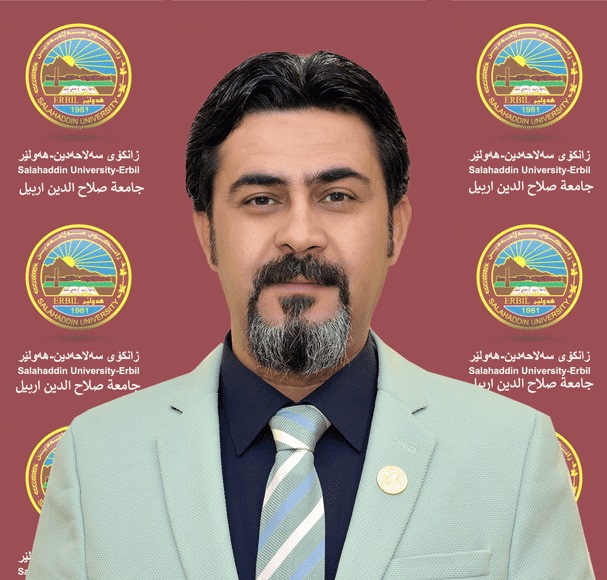
Dr. Aras Hakim
Mission:
To educate professional professionals dedicated to assisting individuals with various disabilities. Training of expert cadres to serve the community in the fields of special education (autism, sensory disabilities, cognitive delays , gifted students, language disorder, and physical/motor disabilities, etc) within the Kurdistan Region. And graduating students as special education teachers or trainers.
As well as, promoting scientific research in the special education field with the aim of the scientific process serving in the Kurdistan Region.
Vision:
To become the region's leading center of academic merit and applied research in special education, encouraging both theory and practice, and ensuring effective service delivery to our communities.
We are committed to our twin role as educators and advocates for a more inclusive, fairer, and more compassionate society.
We envision that the Special Education Department, in the College of Education, becomes one of the most important centers of knowledge and academic development in terms of theory and practice in the region to serve the fields of special education.
We make every effort to have an active, educational and scientific impact on society. We consider ourselves responsible as both scientific and humanitarian volunteers to serve the disabled individuals in our society.
To become the region's leading center of academic merit and applied scholarship in special education, encouraging both theory and practice, and ensuring effective service delivery to our communities
.We are committed to our twin role as educators and advocates for a more inclusive, fairer, and more compassionate society.
Program Learning Outcomes:
The Special Education Department has established comprehensive learning outcomes that ensure graduates are well-prepared to meet the diverse needs of individuals with special requirements. Upon completion of the program, students will demonstrate the following competencies: The Special Education Department ensures that graduates have comprehensive learning outcomes, grouped as follows:
- Knowledge and understanding.
- Theoretical Foundation.
- Understanding major theories, principles, and legal foundations.
- Understanding the nature and implications of various disabilities.
Partnerships
These collaborative relationships provide numerous benefits:
Collaborations and Collaborative Efforts
Strategic collaborations support the department in four areas
For Students
- Learning and placement opportunities in the real world
- Access to skilled resources and professionals.
- Enhanced learning experiences through real-world applications
- Expanded placement and career opportunities
- Access to specialized resources and expertise
- Networking opportunities with professionals in the field
For Faculty:
- Collaborative research and academic exchange.
- Access to facilities and continuing education.
- Research collaboration and publication opportunities.
- Professional development and continuing education.
- Access to specialized facilities and equipment.
- Enhanced teaching through practical connections.
For the Community
- More services to persons with disabilities.
- Professional development for teachers and therapists.
- Improved services for individuals with special needs.
- Increased awareness and understanding of disabilities.
- Professional development opportunities for practitioners.
- Enhanced quality of life for families and individuals with disabilities.
For the Department:
- Improved credibility and program excellence.
- Opportunities for innovation and curriculum development.
- Future Directions in Building Partnerships.
- Nurture international collaborations and knowledge exchange.
- Innovate service delivery and integration models.
- Promote the use of technology in special education.
- Increase education's alignment with social impact.
- Enhanced reputation and program credibility.
- Increased funding and resource opportunities.
- Curriculum enhancement through practical input.
- Strengthened connections between theory and practice.
Future Partnership Directions:
The department continues to seek new partnerships that will:
- Expand research possibilities in emerging areas of special education.
- Develop new models of service delivery.
- Enhance international collaboration and exchange.
- Enhance community engagement and social impact.
- Promote technology infusion in special education practice.
- Strengthen community engagement and social impact.
- Advance technology integration in special education practice.
These partnerships reflect the department's dedication to collaboration excellence and to improving outcomes for persons with special needs through comprehensive, coordinated efforts that span sectors and disciplines.
Degree Program Overview
Prospective students must complete the university application process and meet the general admission requirements. The department seeks candidates who demonstrate:
Postgraduate Studies
For master's and doctoral programs, applicants must:
Program Learning Outcomes:
The Special Education Department has established comprehensive learning outcomes that ensure graduates are well-prepared to meet the diverse needs of individuals with special requirements. Upon completion of the program, students will demonstrate the following competencies: The Special Education Department ensures that graduates have comprehensive learning outcomes, grouped as follows:
- Knowledge and understanding.
- Theoretical Foundation.
- Understanding major theories, principles, and legal foundations.
- Understanding the nature and implications of various disabilities.
Each student is assigned an academic advisor who provides guidance throughout their academic journey. Advisors assist with:
Admissions
Undergraduate Study Prospective students must complete the university application process and meet the general admission requirements. The department seeks candidates who demonstrate:
Graduate employability and Alumni:
since 2013–2014, we have 10 more batches of graduates. About 450 students have graduated and most of them have found jobs In both the Ministry of Education and the Ministry of Labor and Social Affairs, in centers for people with disabilities and private schools and organization (NGO).
Graduate employability and Alumni:
since 2013–2014, we have 10 more batches of graduates. About 450 students have graduated and most of them have found jobs In both the Ministry of Education and the Ministry of Labor and Social Affairs, in centers for people with disabilities and private schools and organization (NGO).
Publications Researcher:
We do not have a special journal dedicated to special education, but most teachers have done a lot of research on children with disabilities, especially on their specialties such as learning disabilities, autism, gifted children, the process of integrating children with disabilities into mainstream schools.....).
Filling the Academic and Research Gap
At the time of its establishment, there was a critical shortage of trained personnel and scientific studies in special education. The department was established to play twin roles:
Filling the Academic and Research Gap
At the time of its establishment, there was a critical shortage of trained personnel and scientific studies in special education. The department was established to play twin roles:
Opportunities for students
- Learning and placement opportunities in the real world
- Access to skilled resources and professionals.
- Enhanced learning experiences through real-world applications
- Expanded placement and career opportunities
- Access to specialized resources and expertise
- Networking opportunities with professionals in the field
Academic Advising
Each student is assigned an academic advisor who provides guidance throughout their academic journey. Advisors assist with:
Our department maintains strong partnerships with various educational institutions, rehabilitation centers, and community organizations to provide students with valuable practical experience. Internships are an integral part of our programs, allowing students to apply theoretical knowledge in real-world settings.
Career Services
Graduates of our programs are well-prepared for careers in:
The department provides career counseling, job placement assistance, and professional networking opportunities to support graduates in their career journeys.
I've created a comprehensive introduction for your Department of Special Education in English. The document includes all the sections you requested:
The introduction highlights that the department has been producing bachelor's graduates for 6 years and now offers master's and doctoral programs. It also mentions that the curriculum covers all types of disabilities.
Would you like me to make any changes or additions to the document? Perhaps you'd like me to: